
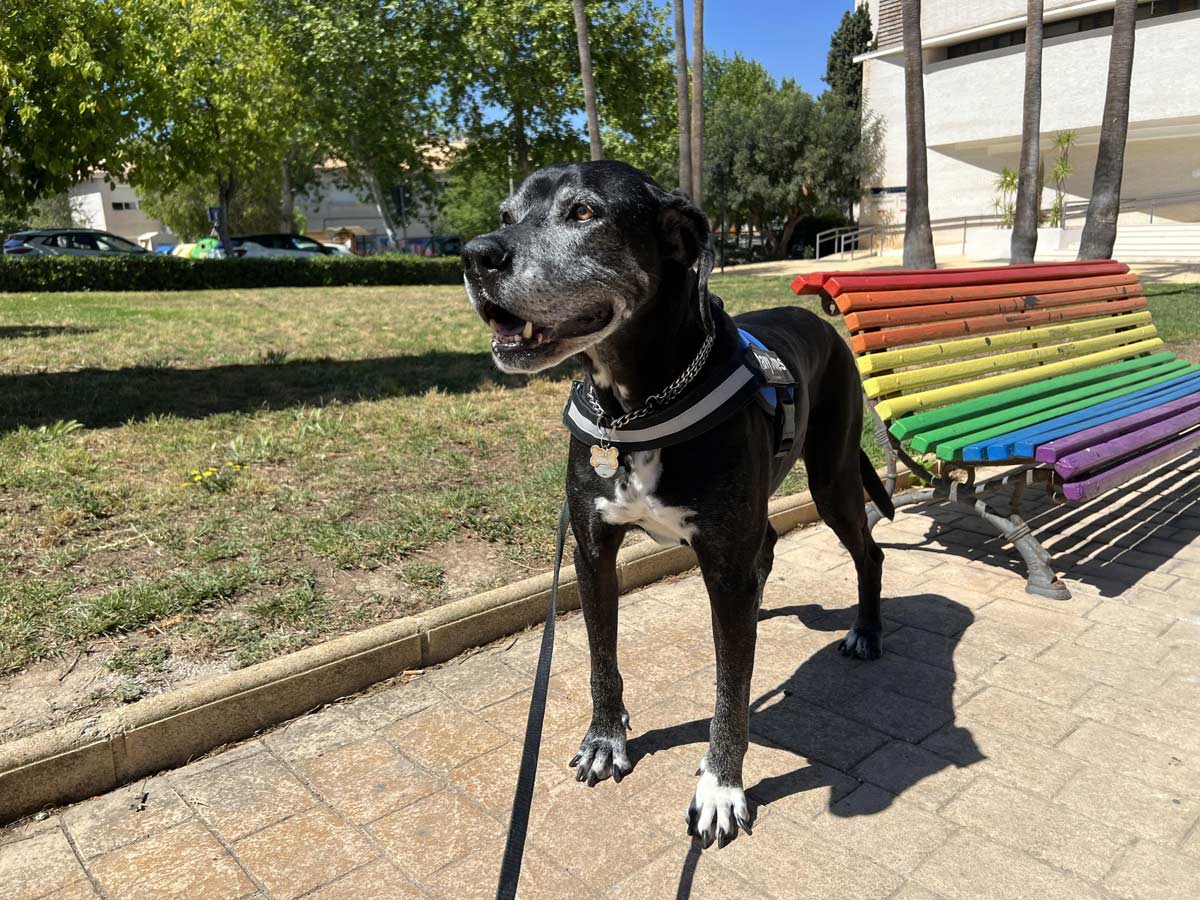
My dog has grown older
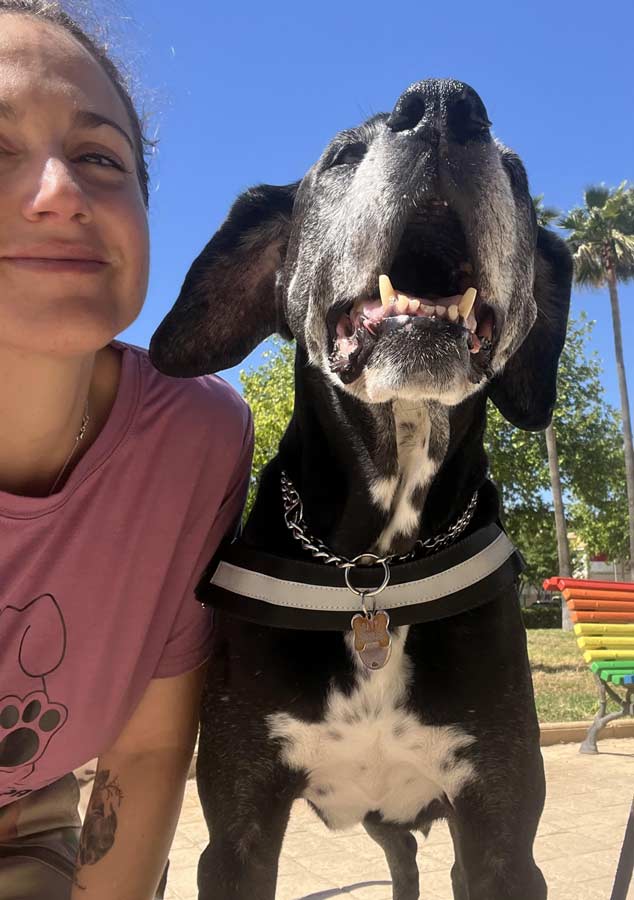
The truth about caring for your dog in the geriatric period
Month: May 2024
There is no exact age at which a dog or cat enters the geriatric stage; it is usually between 7 and 12 years of age, depending on the particular animal.
At this stage, changes occur in our furry friend that we should not overlook and, much less, justify them ‘because he or she is older’.
These changes are inevitable: disturbances in sleep, behaviour, vision, hearing, smell, gait, etc.… but all of these conditions can be improved with minor daily adaptations, supplementation and veterinary medical treatment.
Cellular ageing can lead to a partial and/or progressive loss of senses and brain function, which is why dogs and cats in old age can no longer see, hear and smell as well as they used to.
In addition, disorientation increases and hormone function becomes out of control.
For these alterations there are supplements, rich in vitamins, minerals and omegas that can greatly delay the onset of symptoms, correct behaviour and reduce your pet’s stress.
Gait disturbance: dogs and cats at this age stop running, jumping and moving as they used to, they start to walk more cautiously or perform movements more awkwardly; to limp, to start with greater difficulty… and this is what we justify the most ‘because of age’.
Most dog and cat owners/owners/parents are unaware that there are supplements and/or treatments that can greatly help to reduce these signs and, with them, the associated pain.
We must not forget that it is necessary to carry out general check-ups, both physical examinations and blood tests, as diseases and pathological alterations may appear.
And last but not least! Take care of your diet, it is much more important than you think.
“We are what we eat”.
If you have any doubts about what you can do for your ‘viejito/a’, come to Althaia Veterinary Clinic and we will be happy to guide you and inform you about everything that can help to improve your quality of life.
Dra Sara Coll
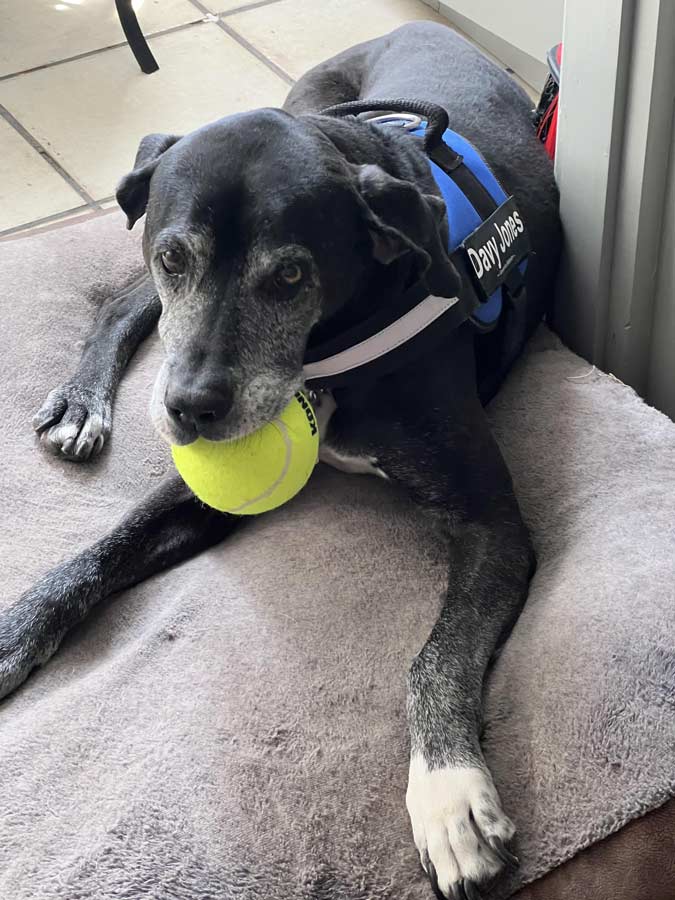
«Dedicated to Davy Jones, who made me learn»


Some advice for your puppy
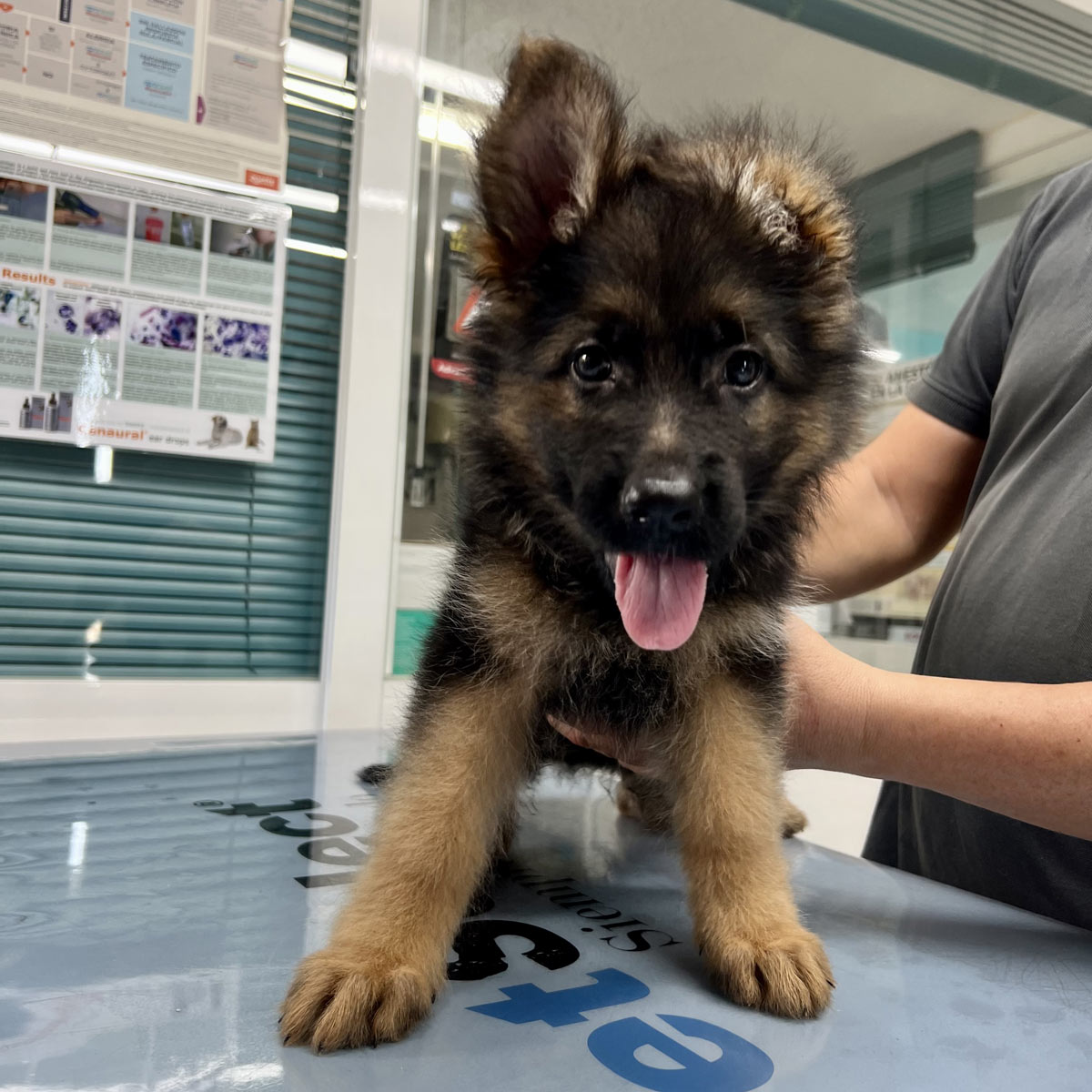
HEALTHY FROM THE START
Month: May 2024
Hay una serie de tratamientos desparasitantes y vacunaciones esenciales para tu cachorrito, pero lo más importante es vacunar y desparasitar respetando los tiempos adecuados para ello.
Si empezamos demasiado pronto la vacunación, ésta generará más problemas que beneficios.
De modo que: ¿Cómo debemos realizarlo?
En primer lugar, tenemos que hacer diferenciación entre cachorros dependiendo de la procedencia, estado de salud y edad, y generar un protocolo de forma individualizada.
Pero, por lo general, en la Althaia Veterinary Clinic, si tu cachorrito ha estado con su mamá hasta las 4-6 semanas, podemos empezar la vacunación a las 6 semanas de edad con la:
- PRIMOVACUNACIÓN (VACUNA PUPPY): que generará inmunización frente la parvovirosis y el moquillo canino. A los 21 días después de la primera vacuna, ponemos la:
- SEGUNDA VACUNA POLIVALENTE que incluye un refuerzo de la primera (parvovirus y moquillo) además de generar la inmunización frente 2 tipos de adenovirus, parainfluenza, y 4 tipos de Leptospira. Posteriormente, tres semanas después, cuando nuestro cachorro tiene ya 12 semanas (3 meses) se suele poner:
- TERCERA VACUNA POLIVALENTE, idéntica a la anterior con la VACUNA OBLIGATORIA DE RABIA, en una misma inyección. En este momento también se aplica el CHIP, y se registra con un PASAPORTE.
Si bien es cierto que, en este punto, podemos hacer alguna variación, valorando qué opción es mejor de forma individualizada (poner chip con polivalente y de forma separada la vacuna de la rabia, o bien administrar la tercera vacuna polivalente y separar la vacuna de la rabia con el chip).
Estas vacunas: POLIVALENTE Y RABIA, deben reforzarse anualmente.
Y hasta aquí las vacunas denominadas “esenciales” y “obligatorias” (rabia).
¿Qué más podemos hacer para proteger a nuestro cachorro? 3 vacunas más!
En la zona dónde vivimos es muy importante proteger a nuestro perro/perra de la enfermedad Leishmaniosis, que es provocada por un parásito diminuto que puede acceder a los perros a través de la picadura de un mosquito específico denominado flebotomo.
Para ayudar a nuestro cachorro o perro adulto a defenderse frente a este parásito existe la llamada VACUNA de LEISHMANIOSIS. Esta vacuna se puede poner a partir de los 6 meses de edad y debe reforzarse anualmente.
Otra vacuna importante es la vacuna frente a la DIROFILARIOSIS canina – y del gato – (ENFERMEDAD DEL GUSANO DEL CORAZÓN), otra enfermedad causada por un parásito, que también infesta al animal mediante la picadura de otro mosquito. Esta vacuna la administramos cuando el perrito/a ha llegado a un peso que, más o menos, va a mantener en su estado adulto, aproximadamente con 1 año de edad. Y también debe repetirse cada año.
Esta enfermedad se ha pasado por alto desde hace bastante tiempo, ya que en el pasado los casos hallados eran más propios del sur de España. Pero, lamentablemente, de cada vez más, detectamos más casos en nuestra zona.
Y, por último: VACUNA DE LA TOS, como se conoce de forma colectiva, previene la enfermedad: rinotraqueitis o la traqueobronquitis infecciosa. Se trata de una infección bacteriana. Es una enfermedad muy contagiosa pero no de gravedad en la mayoría de los casos. Esta vacuna se puede añadir al plan vacunal de tu perro y se refuerza anualmente.
Para nosotros no es la vacuna de mayor importancia, pero es muy común que te la soliciten si pretendes ir a una guardería canina, piscina canina, y centros de ocio para animales, debido a la rapidez de su contagio.
Y hasta aquí nuestros consejos acerca de la vacunación de tu cachorrete.
Si te ha quedado alguna duda o quieres saber más, no dudes en escribirnos a través del formulario de la web, a través de whatsapp en el 670 55 90 85, o directamente por llamada o una visita!
Más adelante, tendréis a vuestra disposición otra publicación acerca de las desparasitaciones.-
Dra. Sara Coll

Bárbara Bernaus

The Team at ALTHAIA
Month: May 2024
- Specialist in canine and feline grooming, breed cuts and individual characterisation.
- PDAE Hairdresser.
- Auxiliar técnico veterinario.
- Attention in Spanish, English, Valencian, French and Italian.

Daniela Sierra

The Team at ALTHAIA
Month: May 2024
- Veterinary Degree from the Autonomous University of Barcelona.
- Postgraduate in Internal Medicine CUAS Veterinary Training.
- Continuing education in the field of Internal Medicine.
- Concerns about essential and preventive surgery.
- General Veterinarian at Althaia Veterinary Clinic.
- Attention in Spanish and English.

Noelia Sánchez
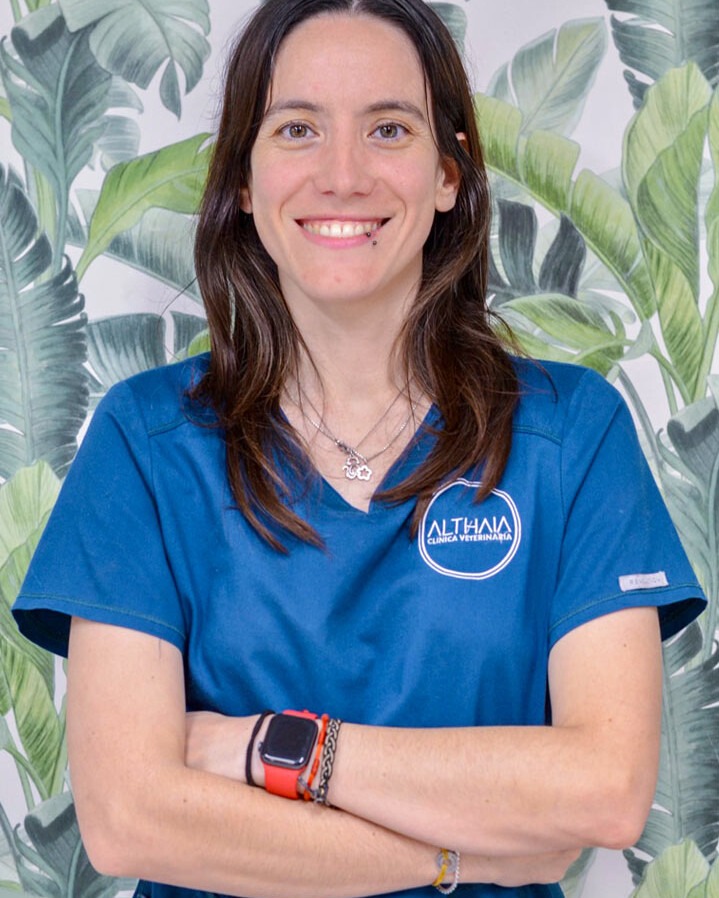
The Team at ALTHAIA
Month: May 2024
- Veterinary Degree from the CEU Cardenal Herrera University, Moncada, Valencia.
- Continuing education in canine and feline internal medicine.
- Master in Animal Ethology.
- Long career in Internal Medicine and Diagnostic Imaging.
- General Veterinarian at Althaia Veterinary Clinic.
- Attention in Spanish, Valencian and English.

Sara Coll

The Team at ALTHAIA
Month: May 2024
- Veterinary Degree from the University of Murcia.
- Advanced Postgraduate Course in Small Animal Surgery.
- Always interested in soft tissue and reconstructive surgery.
- Continuing education in specialised Small Animal Surgery.
- Attendance at a multitude of courses in the speciality and other specialities of General Medicine.
- She runs the company Althaia Clínica Veterinaria.
- Attention in Spanish and English.

